
A slab leak is one of the most expensive “invisible” problems a property owner can face—especially in South Texas, where shifting soils and seasonal moisture changes put extra stress on plumbing lines beneath concrete slabs. If you’re in San Antonio or Corpus Christi and suspect a slab leak, the key is to spot the warning signs early, limit damage, and get the right pros involved.
This guide covers practical slab leak troubleshooting, what’s safe to check yourself, and when to call On The Level for help coordinating slab leak repair, foundation evaluation, and concrete restoration.
What is a slab leak?
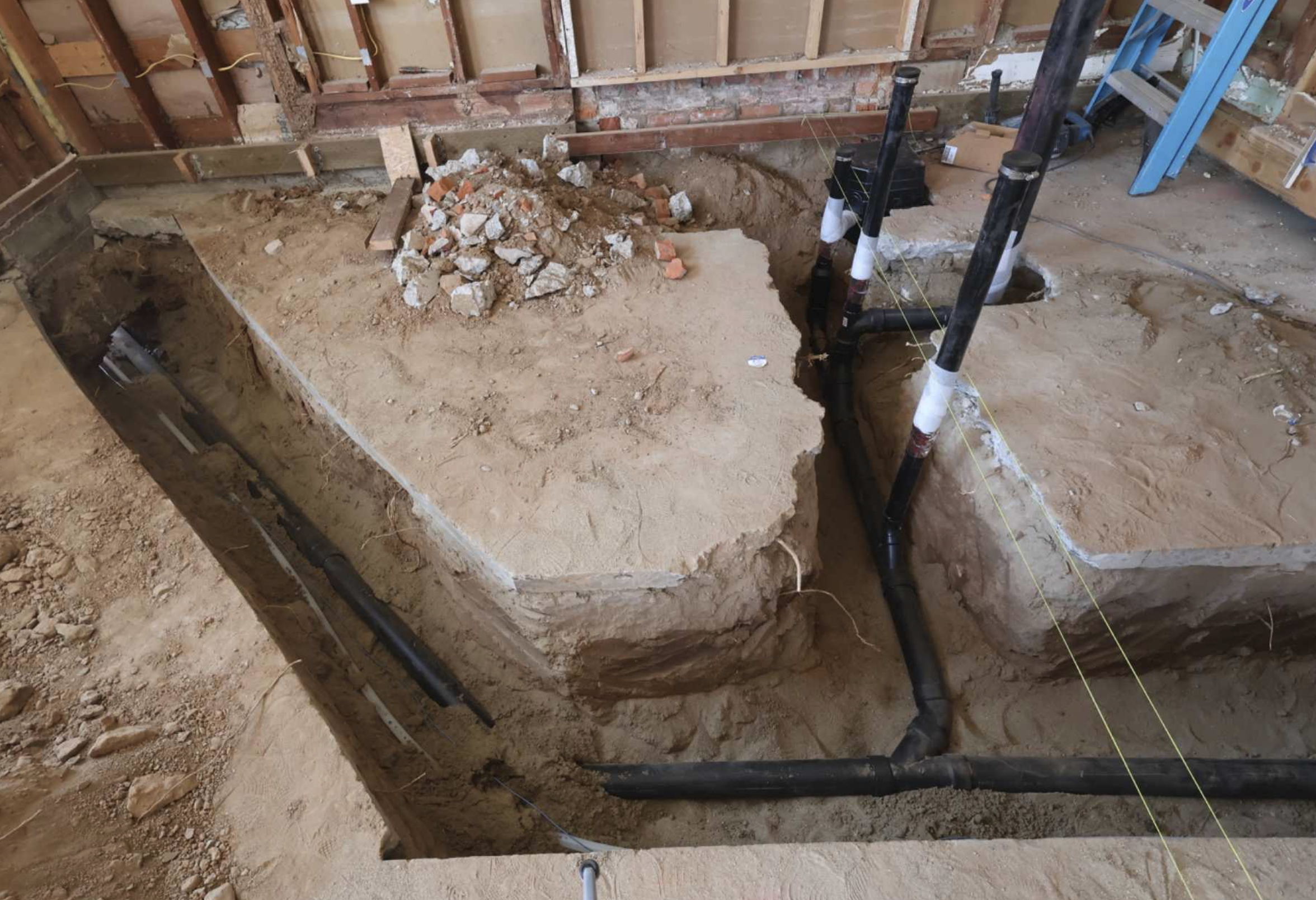
A slab leak is a leak in a water line (or sometimes a drain line) located under your home or building’s concrete foundation (slab). Because it’s buried, the leak can run for weeks before it’s obvious—leading to rising water bills, floor damage, mold risk, and even foundation movement.
Common slab leak warning signs (South Texas homes & buildings)
Look for one sign—or a combination:
Unexplained increase in water bill
Sound of running water when all fixtures are off
Warm spots on the floor (often tied to hot water line leaks)
Damp flooring, warped wood, loose tile, or stained carpet
Cracks in drywall or flooring that appear or worsen quickly
Musty odors or visible mold
Low water pressure or sputtering faucets
Wet areas in the yard near the structure (not explained by rain/irrigation)
Foundation symptoms: sticking doors, uneven floors, new cracks in brick or slab edges
In Corpus Christi, sandy/coastal conditions plus corrosion can be a factor; in San Antonio, expansive clay soils and movement can accelerate stress on lines. Either way, early detection matters.
Slab leak troubleshooting: what you can check safely
These steps help you confirm whether you likely have a leak—without tearing anything up.
1) Check your water meter (quick leak test)
Turn off all water inside and outside (including irrigation).
Locate your water meter and note the reading.
Wait 15–30 minutes without using water.
If the meter changes, you likely have an active leak.
Tip: Many meters have a small “leak indicator” dial that spins with tiny flows.
2) Rule out toilets first
Toilets are a common culprit.
Add a few drops of food coloring to the tank.
Wait 10–15 minutes (don’t flush).
If color appears in the bowl, you’ve got a toilet leak.
3) Look for hot-water indicators
If you suspect a hot line leak:
Are there warm areas on tile or concrete?
Is your water heater cycling more than normal?
4) Watch for pattern-based moisture
Moisture that returns after drying
Floor damage that spreads outward
Persistent dampness along baseboards or in one “zone”
These patterns are consistent with leaks under a slab.
What causes slab leaks?
Slab leaks usually come from a few recurring sources:
Pipe corrosion (age, water chemistry, salt/coastal exposure)
Abrasion (pipes rubbing against concrete/soil over time)
High water pressure stressing joints
Ground shifting / foundation movement
Poor installation or older plumbing materials
What NOT to do if you suspect a slab leak
Avoid expensive mistakes:
Don’t ignore it and “see if it goes away.”
Don’t keep running the water normally if the meter test indicates a leak.
Don’t jackhammer randomly—proper leak location saves time and money.
Don’t patch floors or remodel over the problem before it’s repaired.
First steps to reduce damage (while you schedule repair)
Shut off the main water valve if the leak seems active/serious.
If you must keep water on, shut off hot water at the heater when hot-line leak is suspected.
Document damage with photos for insurance (if applicable).
Move furniture away from wet zones and run fans/dehumidifiers if safe.
Slab leak repair options (what the pros may recommend)
A qualified plumbing team will typically locate the leak and recommend one of these:
Spot repair (open slab and repair a specific section)
Reroute/repiping (bypass failing lines; often used if multiple leaks or old piping)
Epoxy lining (sometimes used in specific scenarios)
After plumbing work, many properties also need:
Concrete repair/patching
Flooring restoration
Foundation check (if movement or voids occurred)
Slab leak + foundation issues: why coordination matters
A slab leak can wash out supporting soil, create voids, and contribute to settlement. And if a foundation is already moving, it can stress pipes and trigger leaks—so it becomes a cycle.
That’s why it helps to work with a team that understands the whole picture: plumbing + foundation + concrete + restoration.
Need slab leak help in San Antonio or Corpus Christi? Call On The Level.
At On The Level Foundation & Roofing, we help South Texas property owners respond fast and fix the problem the right way—coordinating with trusted foundation plumbers and providing the construction support needed after the repair.
We can help with:
Slab leak repair troubleshooting support (what to look for and next steps)
Coordination with experienced slab leak plumbers
Foundation inspection and repair if movement occurred
Concrete repair/flatwork after plumbing access work
Emergency remodeling/restoration to put your property back together
Serving San Antonio, Corpus Christi, and surrounding South Texas communities.
If you’re seeing signs of a slab leak, don’t wait—early action can save thousands in repairs.
